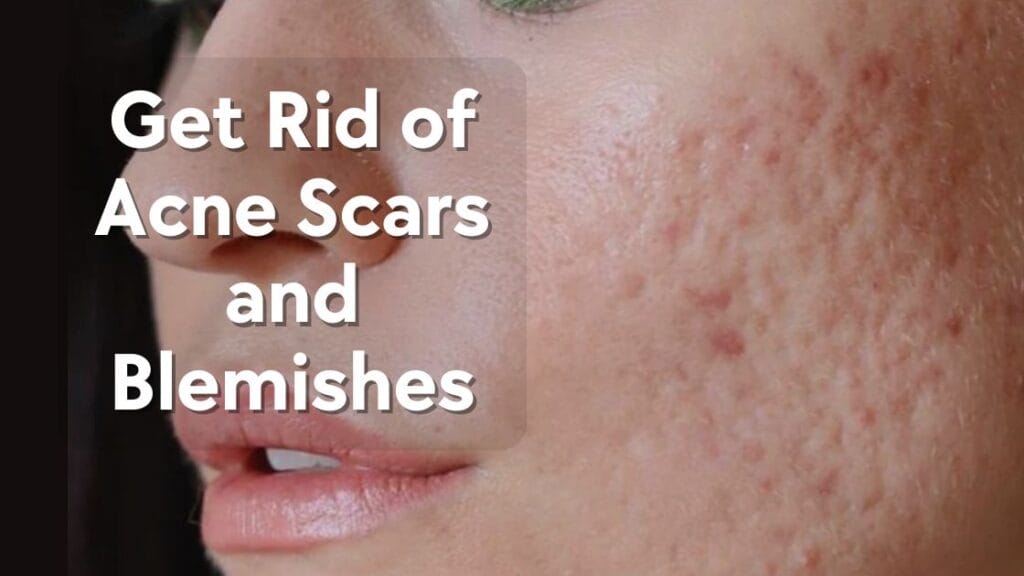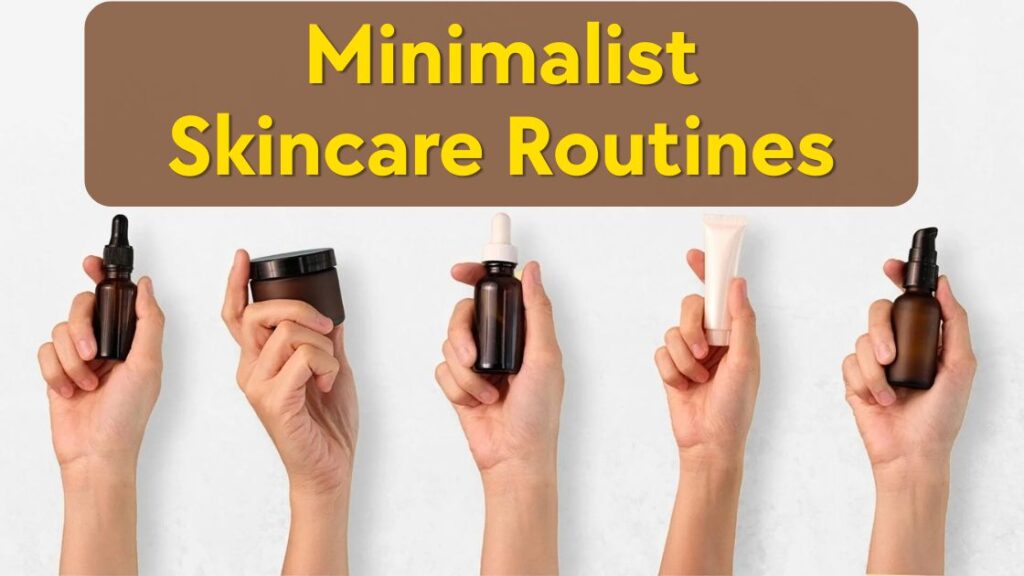
I once spent nearly half an hour in the bathroom layering serums, essences, masks, creams because social media told me that’s how I’ll get “glass skin.” Only to wake up the next day with red, tight skin that stung. That was my wake up call toward minimalism in skincare. Turns out, many dermatologists are saying the same thing: less often is more.
What Is Minimalist Skincare?
Minimalist skincare (sometimes called “skinimalism”) is the idea of using fewer products, focusing on essentials, avoiding unnecessary steps or overly aggressive actives, and making every product count. Quality > quantity. You pick products with dual or triple benefits rather than stacking ten different ones.
It isn’t about neglect. It’s about intention. Listening to your skin. Treating it kindly. Letting it heal.
Why Dermatologists Are Leaning In: What Experts Are Saying
Here are real reasons dermatologists are recommending simpler skincare now more than ever:
- A recent article (AP News) reports that many dermatologists urge people to keep it simple: just three essentials: a gentle cleanser, moisturiser, and broad spectrum sunscreen (SPF 30+) rather than every trending product.
- Experts warn that too many products (especially ones with strong active ingredients) can hurt the skin barrier, cause irritation, sensitivity, inflammation, and even breakouts. Simplifying reduces this risk.
- Simplicity boosts consistency. When your routine is short, you’re more likely to stick with it daily, which is what skin really needs. A dermatologist says simpler routines lead to greater consistency and better long-term results.
What Are the Core Elements Experts Usually Agree On?
What are the “non-negotiables” many dermatologists say your routine must include if you want to simplify but still see benefits?
- Gentle Cleanser
Cleansing removes dirt, sweat, pollution, and sebum. However, a harsh cleanser can strip natural oils, disrupt the skin’s barrier, and trigger more oil production or sensitivity. Dermatologists recommend pH-balanced, fragrance-free or low-fragrance, non-soap cleansers that cleanse without over-drying. - Moisturiser (Barrier Support)
Moisturising is not optional. It helps skin feel comfortable, supports repair, helps with barrier, and reduces irritation. Ingredients like ceramides, hyaluronic acid, and glycerin are often starred. Even for oily skin, light non-comedogenic moisturisers are suggested. - Sun Protection (SPF)
Many skin issues (hyperpigmentation, ageing, acne scars) worsen with UV exposure. Sunscreen is almost always the step dermatologists insist people never skip. Broad spectrum, SPF 30 or higher. - Optional / Targeted Add-Ons
Depending on your skin’s needs, you might include one or two “active” treatments, such as retinoids, exfoliants (AHA/BHA), vitamin C, etc. But the key is to use them sparingly, not combining many strong actives at once, and giving skin rest.
Benefits of a Minimalist Routine: What You Get When You Strip Down
From the skin perspective and real life, here’s what I’ve seen (and what science backs up) as benefits:
- Reduced Irritation, Redness & Sensitivity: Using fewer products = fewer chances for allergic reactions, over exfoliation, harsh ingredient clashes. Skin barrier stays stronger.
- More Consistent Use: You’re likelier to remember three steps than 10. Less fatigue, fewer excuses. Skin does better when care is consistent.
- Better Value for Money: Instead of buying many partial use “nice to have” items, investing in fewer high quality products gives more benefit per rupee (or dollar).
- Time Saved: Less time applying, layering, and removing. Can stick with routine even if the schedule is tight.
- Skin Barrier Health & Longevity: A Stronger barrier means less moisture loss, fewer breakouts that come from barrier disruption, and less inflammation. Over time, healthier ageing and fewer issues like post-inflammatory hyperpigmentation.
My Experience: Going Minimal
Here’s what worked for me (and some things that didn’t) when I decided to cut back on my routine:
- I stopped using more than one exfoliating/acne treatment per week. Before, I was doing acids, peels, and serums altogether. My skin was flaky, red, and patchy. Once I reduced, I saw less peeling, less irritation, and better glow.
- I invested in a decent sunscreen and used it every morning, no excuses. The difference in pigmentation and tone over a month was noticeable.
- For several days, I used only a gentle cleanser and moisturiser (no actives). Skin barrier felt better; when I reintroduced a targeted serum (vitamin C), it behaved well.
- I stopped chasing every “latest serum/ampoule” online. Each time something caused a reaction, I paused and tested. I learned my skin doesn’t benefit from layering 4 different new products in one evening.
How to Build Your Own Minimalist Skincare Routine
If you’re convinced (or curious), here’s how to do it without messing things up.
- Start with the essentials
Cleanser + Moisturiser + Sunscreen. Make sure they suit your skin type (oily, dry, combination, sensitive). - Patch test new additions
New active, new serum, new exfoliant test on a small area for 24-48 hours. - Go slow with activities.
Use one active at a time (if you need any), alternate nights rather than stacking daily. For example, maybe exfoliant one night, retinol another, rest nights for recovery. - Observe reactions carefully
Keep a skin journal: what you used, what food, sleep, stress, and environment. If something goes wrong, it’s easier to isolate. - Quality over gimmicks
Sometimes a simpler product with fewer, well researched ingredients is better than a “super serum” with 10 different actives + fragrance + hype. - Consistency is king
A simple routine done daily is way more effective than a 10-step routine you do twice a week.
Potential Pitfalls & When Minimalism Isn’t Enough
Minimalism isn’t holy. It works well for many, but not always. Be aware:
- If you have severe acne, chronic skin disorders (eczema, psoriasis) or pigmentation issues, you might need more targeted treatment under professional care.
- Sometimes skin purges, or skin reacts “worst before better” when you first cut back or remove known irritants. That’s okay, but monitor.
- Under usage: minimal doesn’t mean skipping sun protection or moisturiser. Those are non-negotiable.
- Expectations: improvements may be slower, but more sustainable.
FAQs (People Also Ask)
- Is minimalist skincare enough to treat acne?
It depends on severity. For mild-to-moderate acne, a minimalist routine with one or two good acne treating ingredients (like a gentle retinoid or salicylic acid), plus the core three steps, can work well. For severe acne, you may need additional prescribed treatments. - Will fewer products reduce my skin’s glow or softness?
Not usually. If you choose high quality essentials (good cleanser, moisturiser, sunscreen), skin often looks more even, less irritated, and the glow comes from health, not layering. - How do I transition from a full routine to a minimalist one without breakouts? Remove products gradually. Identify potential irritants or overlapping active ingredients. Keep core steps constant. Use patch testing.
- Are expensive skincare brands worth it in minimalist routines?
Price doesn’t always equate to better results. Many dermatologists say there are affordable options with the same core beneficial ingredients. What matters more is concentration, formulation, and compatibility with your skin. - How often should I use activities in a minimalist routine?
Depends on your skin: often 1-3 times per week to start. You can increase if your skin tolerates. Don’t layer several strong ones in one session; alternate or space them. - What ingredients are must haves in minimal routines?
Some commonly recommended products include ceramides, hyaluronic acid, and glycerin for hydration; niacinamide for reducing inflammation and balancing sebum production; broad spectrum sunscreen; and gentle cleansers. Possibly vitamin C or retinoids, depending on skin needs. - Will minimalism work for sensitive skin?
Often, yes, especially since sensitivity often comes from barrier damage or irritation from too many products. Simplifying helps reduce exposure to irritants and allows the barrier to recover. - How many steps is “minimalist”?
Usually, there are 3 core steps: cleanse, moisturise, protect. Optional one or two targeted treatments. Some people do more depending on skin concerns, but the idea is to keep extras limited.
Conclusion
Minimalist skincare is more than a trend; it’s a shift toward healthier, more sustainable skin routines. It’s about caring for your skin gently, consistently, with essentials that work. Dermatologists favour it because it reduces irritation, increases adherence, and protects the skin barrier. If you simplify wisely, you’ll likely see skin that’s calmer, more resilient, and easier to manage.
TL;DR Summary Box
| What to Always Do | Optional / Use Sparingly |
|---|---|
| Actives like retinoids, exfoliants, high-strength serums only if needed | Premium or trendy products might be nice, but not always necessary |
| Look for skin barrier supports (ceramides, hyaluronic acid) | Don’t layer many harsh potions at once |
| Stick to routine. Consistency over complexity. | Premium or trendy products they might be nice, but not always necessary |